


Insurance data: Finding it, protecting it and the role of AI, Part 1
Insurers hold vast data reserves, but fragmentation across legacy systems complicates AI integration and effective use of internal and external sources.
Originally published by Digital Insurance on March 25, 2026.
As insurance carriers integrate artificial intelligence across operations, data quality and accessibility remain fundamental challenges. While insurers possess extensive internal information (policyholder demographics, claims details, payment histories), that data often lives in disconnected, product-specific systems built at different times. Acquisitions and platform migrations have left many organizations with fragmented repositories that resist reconciliation, according to industry technology leaders.
External data sources add another layer of complexity. Carriers draw on hazard modeling, real-time weather feeds, aerial imagery, telematics, property valuations, public records, and social media insights to augment underwriting and claims decisions. Third-party providers supply regulated data (credit reports) alongside less structured information (property characteristics, satellite images), which insurers must validate and integrate into workflows. Scot Barton, chief product officer at Carpe Data, notes that carriers verify policyholder information through services such as Google Earth and established data vendors, and that online photos can supplement underwriting and claims assessments when video analysis proves cost-prohibitive at scale.
Data needs vary by department and line of business. Actuaries prioritize historical loss performance, underwriters seek current risk context, and distribution teams want early signals of binding likelihood. Across personal auto, homeowners, commercial liability, and life lines, insurers balance internal performance records with customer-provided details and external corroboration. The core obstacle is not data availability but orchestration: validating inputs, ensuring regulatory compliance, and embedding insights into core systems without slowing decisioning workflows.
Read the full article at Digital Insurance.
Originally published at Digital Insurance.
Source
Originally published at Digital Insurance.
Related Resources

Carpe Data is now Carpe
Carpe Data is now Carpe: the shortest path from data to decision. After a decade finding the signal insurers miss, we rebuilt around AI-native decisioning.

Is the Insurance Sector Risking Over-Reliance on Artificial Intelligence? Part One
Industry experts weigh in on balancing AI-driven efficiency with essential human expertise in insurance operations.
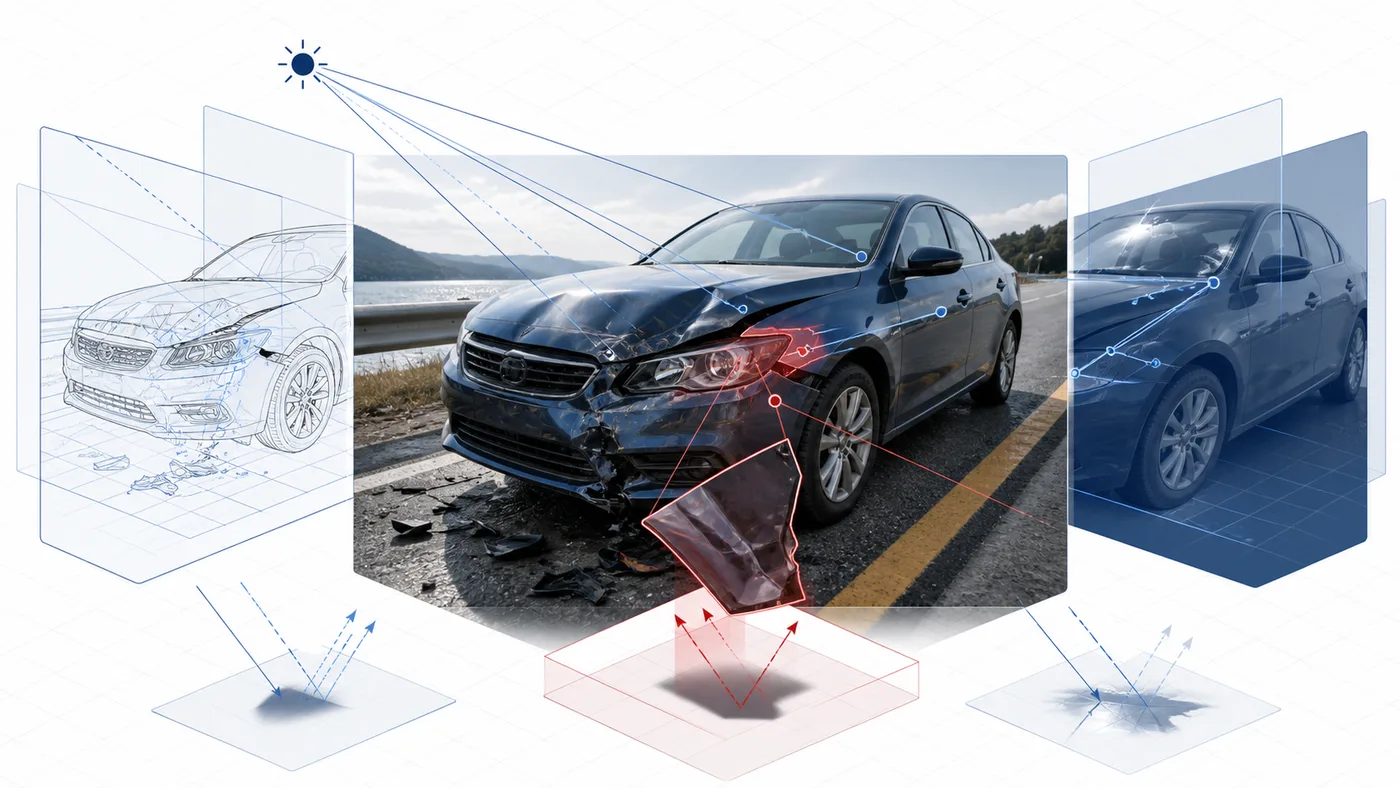
How to Detect AI-Generated Photos in Insurance Claims
A convincing claim photo can now be created or altered in seconds. Insurers need a layered integrity process that preserves the original evidence, tests it from several directions, and turns the findings into an explainable decision.
See Carpe on Your Own Book
A short conversation and a tailored walkthrough of the Carpe solutions that match your line of business.
Talk to An Expert